TERRY’S TOOLBOX: Why I Choose Ryobi Over Milwaukee
I’ve used both Ryobi and Milwaukee in my line of work, mostly half-inch impacts, along with drills, saws, and other power tools. I’ve had good experiences with both brands, but I still choose Ryobi. Here’s why.
Why I Started With Ryobi
When I first started buying power tools, Ryobi was the more cost-effective option. At this point, the price difference between Ryobi and Milwaukee isn’t always as big as it used to be, but I’ve already invested heavily in the Ryobi platform and continue to prefer it.
I own Ryobi tools ranging from impact drivers and drills to weed eaters, blowers, nailers, saws, and pretty much everything in between.
I’ve had to replace tools as they’ve worn out, and I’ve bought my fair share of batteries along the way. That’s part of using power tools regularly, especially when they’re being put to work instead of sitting on a shelf.
The Battery Issue ⚠️
I’ve experienced battery-related problems with both Ryobi and Milwaukee, but I’ve noticed some differences between the two.
Ryobi batteries use clips on both sides to lock the battery into the tool. In my experience, those clips hold up for a long time unless you’re hard on your tools, like I tend to be when they get dropped.
Milwaukee uses two wedge-like locks to hold the battery in place. With the amount of vibration you get from using these tools, I’ve found that those wedges can eventually become loose. That can mean constantly having to reinsert the battery.
I’ve noticed that the problem seems to get worse with the larger batteries.
Power: Is Milwaukee Really Better?
When it comes to power, Milwaukee definitely has some advantages, but I haven’t found the difference to be as dramatic as some people might expect.
There have only been a couple of times when I had to ask a coworker if I could try his Milwaukee because my Ryobi wouldn’t get the job done. We’ve also run into situations where neither tool could do what we needed.
So yes, there are times when Milwaukee has the edge. But in my experience, Ryobi has been able to handle most of what I need it to do.
A Milwaukee Tool I Actually Like
I’ve used several Milwaukee tools, but the one that stood out to me was the half-inch impact.
Specifically for it’s breakaway torque. When you’re trying to break loose something that’s been stuck for a long time, that extra torque can make a difference.
That said, I still prefer the faster speed of the Ryobi.
Why I Still Buy Ryobi
At the end of the day, I still buy Ryobi because I personally like the brand.
I’ve used both Ryobi and Milwaukee in my line of work, and I’m not going to tell you that Ryobi is better than Milwaukee or any other brand. Milwaukee makes good tools, and there are definitely situations where I would choose one of their tools.
I’ve worn out Ryobi tools. I’ve replaced batteries. I’ve replaced tools. I’ve used them hard and put them back to work.
And I keep buying them.
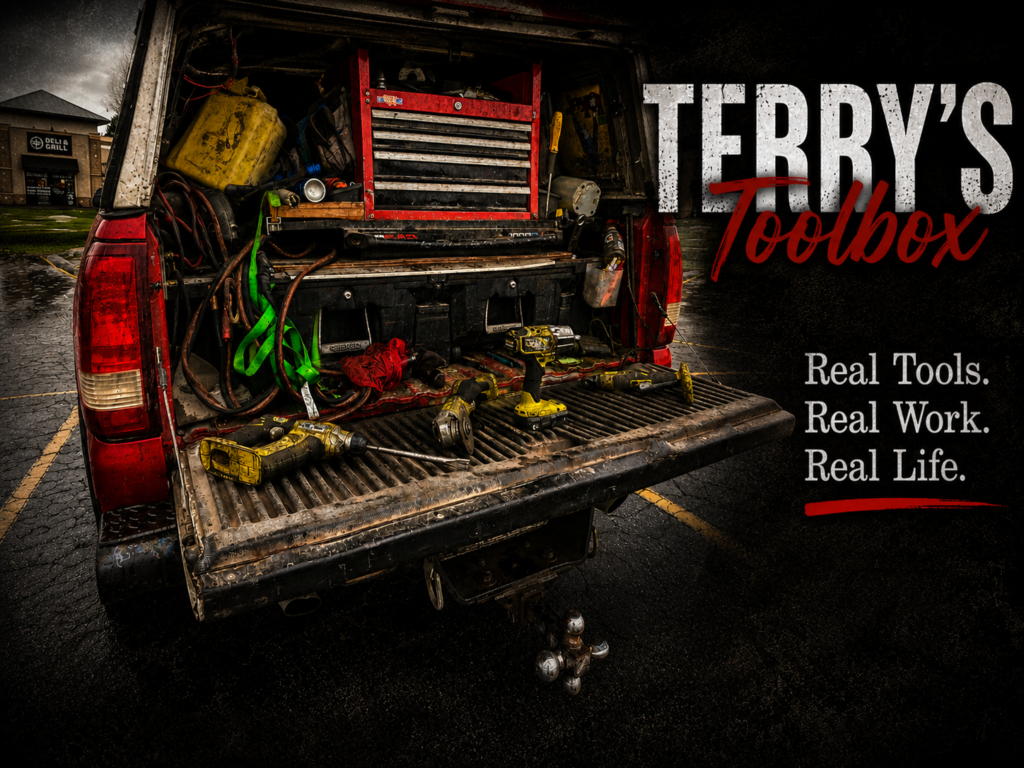
For me, Ryobi has continued to do what I need it to do without costing as much as some of the higher-end brands.
So, If you want a power-tool platform that can sometimes be a little easier on the wallet while still holding its own on the job, I think Ryobi is worth considering.
That’s why I choose Ryobi over Milwaukee.
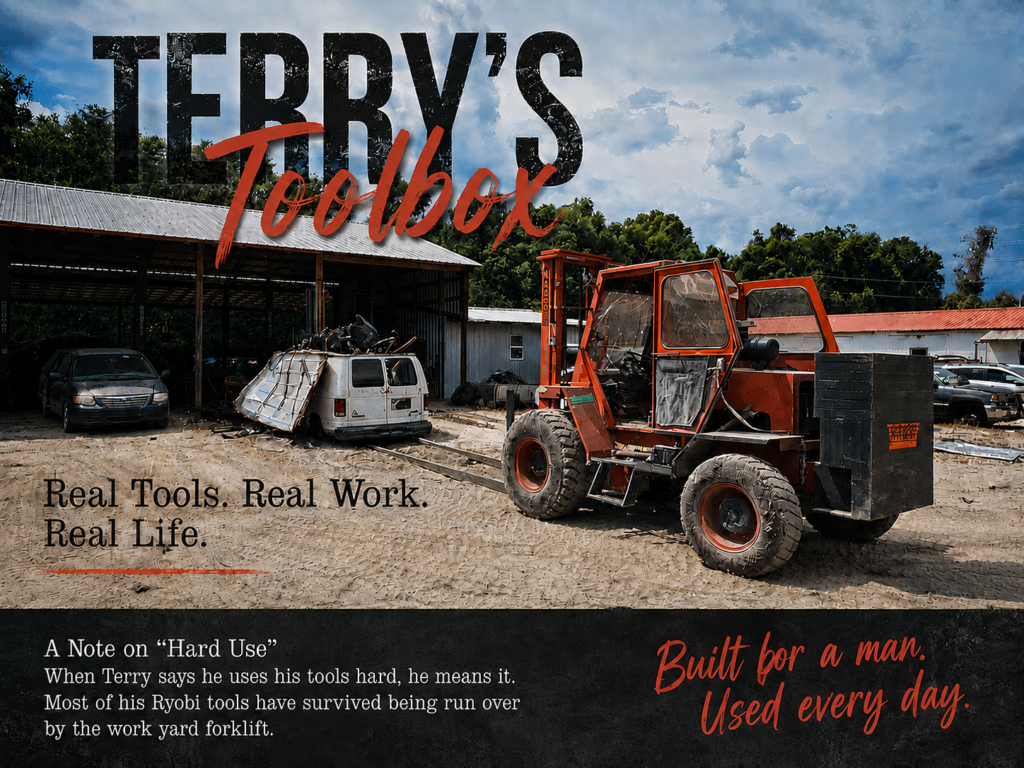
Tiffany’s Take: For the record, this is a man who has run a power tool over with a vehicle and watched it continue working. But let him suspect that somebody left one outside when it might rain and suddenly we’re conducting a full-scale tool rescue operation. 🌧️🔧
Terry’s Logic: 🧑🔧
👉 Drop it: “It’ll be fine.”
👉 Beat the absolute living daylights out of it at work: “That’s what it’s for.”
👉 Run a power tool over with a piece of heavy machinery: “It still works.”
🚨 See a dark cloud forming: “WHO LEFT MY TOOLS OUTSIDE?!” ⛈️🔧
Until next time…
Keep building a beautiful life between coffee & chaos,
💛 Tiffany

© 2026 Tiffany Davis | Manic Mom Diaries • All Rights Reserved.